The certificate of authenticity for art: what belongs in it and what it can do
The sheet of paper that comes with an original often matters only years later. What belongs in a certificate of authenticity, what it can prove and where provenance and the catalogue raisonné reach further.
An original almost always arrives with a sheet of paper that gets less attention during unpacking than the frame. Yet the certificate of authenticity for art is the document you will look for years later: for insurance, for a resale, for your heirs. Knowing what it ought to contain lets you tell a sound certificate from a mere form. It is just as important to know what a certificate cannot do and which other papers belong beside it.
What a certificate of authenticity for art should contain
In August 2026 the gallery software company Artlogic summarised the minimum a certificate should state. That means the artist's name, the title, the year of creation, the medium and the dimensions, and for editions the edition size and the number of the impression. Then come the name and signature of whoever issues the certificate, the date of issue, contact details and a photograph of the work.
Each of these details has a job to do. Title and year place the work, while medium and dimensions describe the object precisely enough to distinguish it from related pieces. The photograph ties the paper to this one painting. With abstract painting in particular, where formats and palettes within a series can resemble one another, an image is often the most unambiguous detail of all.
Two signatures need to be kept apart. The signature on the work is part of the painting and dates from the moment it was made. The signature on the certificate is a declaration that someone makes later and stands behind. Each supports the other, and neither replaces the other.
So check a certificate as soon as you receive it. Do title, year and dimensions match the work in front of you? Does the photograph really show this painting rather than a related piece from the same series? Is it clear who issued the certificate and how that person or gallery can be reached? A certificate without an issuer, a date or an image remains a bare assertion.
Who should issue a certificate
Artlogic points out that a certificate is not, on its own, an absolute guarantee of authenticity. It carries only as much weight as the person or organisation behind it. With living artists, the artist is usually the clearest source for confirming that a work is their own. Galleries issue certificates when they represent an artist and handle the sale.
Valuers play a different role. They assess what a painting is worth, but they do not decide who painted it. A valuation is therefore not a certificate of authenticity, even if both documents often end up in the same folder.
Certificate, provenance and catalogue raisonné
Three terms are often blurred in the art trade. The certificate is a statement about the authorship of a single work, made at a particular moment. Provenance describes a work's history as it passes through the hands of its owners, and in some cases its custodians. The more completely it can be documented, the stronger it is.
The catalogue raisonné goes further. The International Foundation for Art Research (IFAR) in New York describes it as a systematic record of an artist's works in a given medium, as far as they are known to and accepted by the authors at the time of preparation. Most entries include an illustration, dimensions and medium, the date of the work, its provenance and often its exhibition and bibliographic history. Including a work is also a judgement that it is by the artist's hand. IFAR adds that catalogues raisonnés are living documents to which new information is regularly added.
Invoices, exhibitions and publications
Alongside the certificate, the invoice is the most important paper. It records when, from whom and at what price a work was acquired. That makes it the first link in your own provenance. Keep invoice and certificate together.
Records of exhibitions and publications make a work's history open to public scrutiny. A catalogue in which a painting is reproduced, an invitation card or a listing in an exhibition record shows that the work was in a particular place at a particular time. It is no accident that IFAR names exhibition and bibliographic history as a regular part of many catalogues raisonnés. Collecting such evidence makes life easier for later buyers and researchers.
Where certificates reach their limits
How far a forger can go with an invented history is shown by the case of Wolfgang Beltracchi. On 27 October 2011 the Regional Court of Cologne sentenced him to six years in prison for commercial fraud as part of a gang, as the German Press Agency reported at the time. The charges covered 14 forged paintings in the manner of artists such as Max Ernst, Max Pechstein and Heinrich Campendonk, and according to the court the defendants had taken in 9.7 million euros. The provenance rested on a story of supposedly collecting grandfathers named Jägers and Knops. Renowned experts and major auction houses were taken in for years.
The forgeries were uncovered by scientific means. From September 2010 the Rathgen Research Laboratory of the Staatliche Museen zu Berlin examined seven paintings supposedly made between 1905 and 1927. The presence of titanium white and organic phthalocyanine pigments clearly proved that they were forgeries. In the museums' central archive the backs of the paintings were also examined and compared with labels from galleries and dealers.
A follow-up case in France shows how limited an expert's written confirmation can be. In 2002 the Max Ernst scholar Werner Spies confirmed a painting titled Tremblement de terre as genuine in a letter and planned to include it in his catalogue raisonné. It later turned out to be a Beltracchi forgery. In 2013 a court in Versailles first ordered him and a dealer to repay the purchase price of 652,883 euros. The Court of Appeal overturned the ruling against Spies on 3 December 2015, The Art Newspaper reported. The author of a catalogue raisonné who expresses an opinion outside a specific sale, the court held, cannot bear the same liability as an expert involved in that sale.
Provenance research and due diligence in the trade
With older works the question of origin becomes sharper still. The German Lost Art Foundation, Deutsches Zentrum Kulturgutverluste, was established on 1 January 2015 by the federal government, the federal states and the three national associations of local authorities as a foundation based in Magdeburg. It funds provenance research, above all into property looted under National Socialism, and runs the Lost Art database, which records search and found reports on cultural property seized through Nazi persecution or displaced as a result of the Second World War. According to its 2023 fact sheet, the database holds almost 180,000 detailed object descriptions. Anyone buying a work from the early twentieth century should therefore ask about gaps in its ownership history. With contemporary art that comes directly from the studio, the chain is short and can be documented in full.
German law also demands care. Under § 42 of the Cultural Property Protection Act, anyone placing cultural property on the market commercially must, among other things, prepare a description and an image, examine the provenance and consult publicly accessible databases. These duties do not apply to cultural property that is not archaeological and whose value does not exceed 5,000 euros. Under § 45 the records must be kept for thirty years. This article is not legal advice, and in individual cases a specialist lawyer can help.
Certificate and catalogue at Juliane Golbs
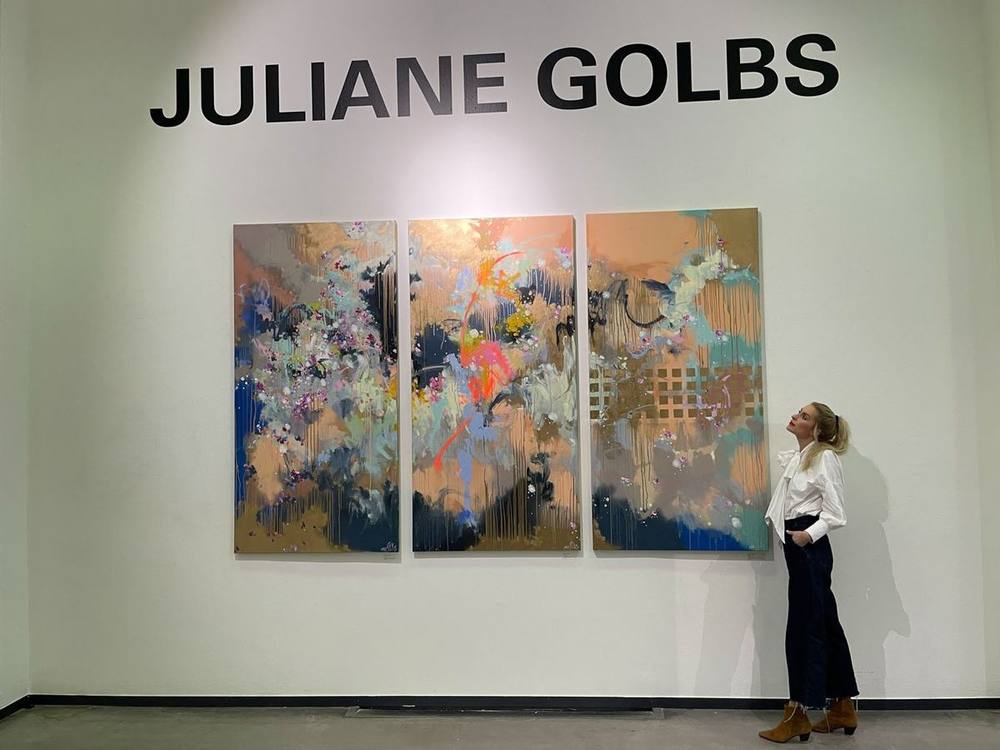
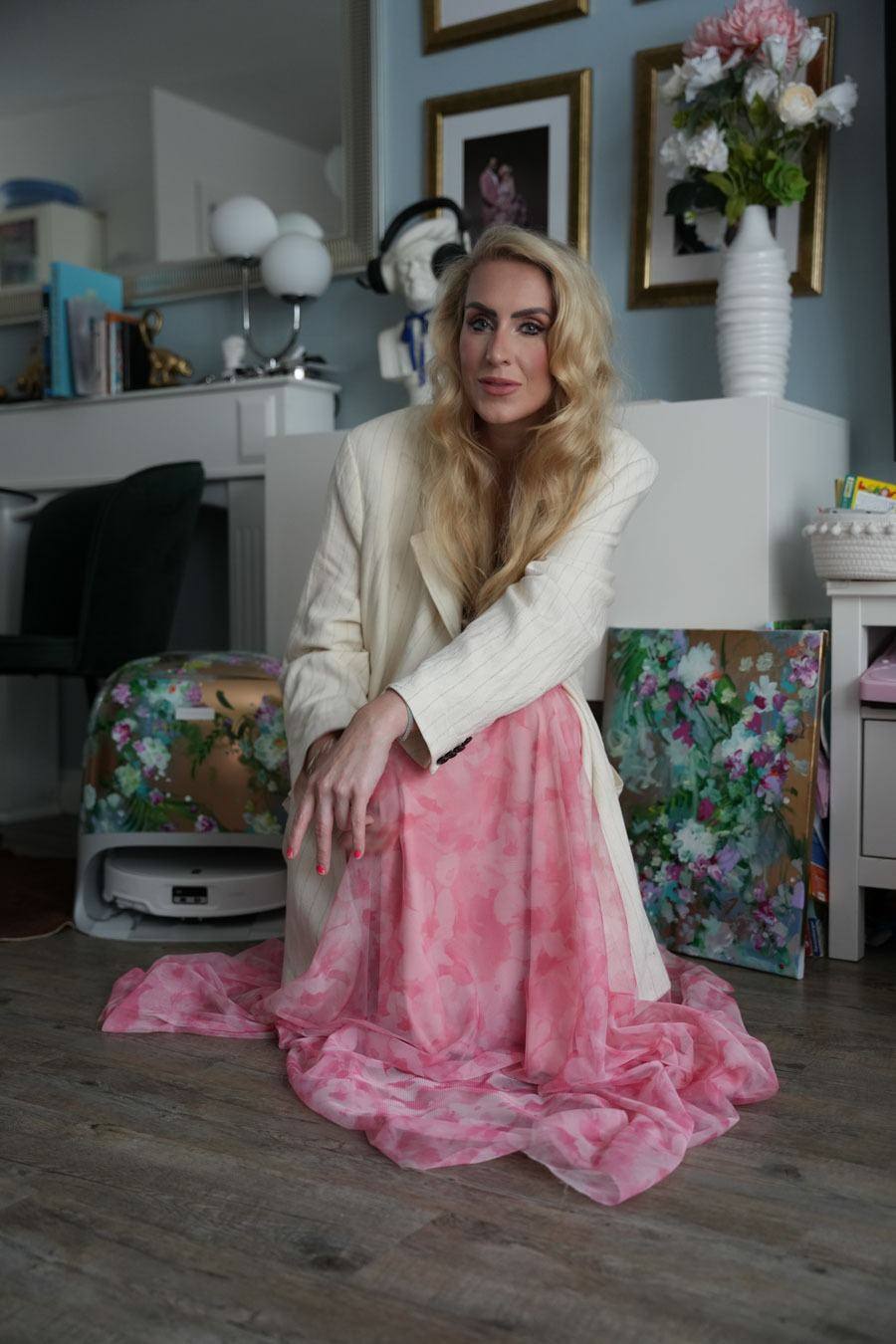
Every work by Juliane Golbs is a hand-signed unique piece. A commission ends with the handover of the signed original together with a certificate of authenticity. Buying directly from the studio gives the shortest provenance there can be: the chain begins with the artist herself.
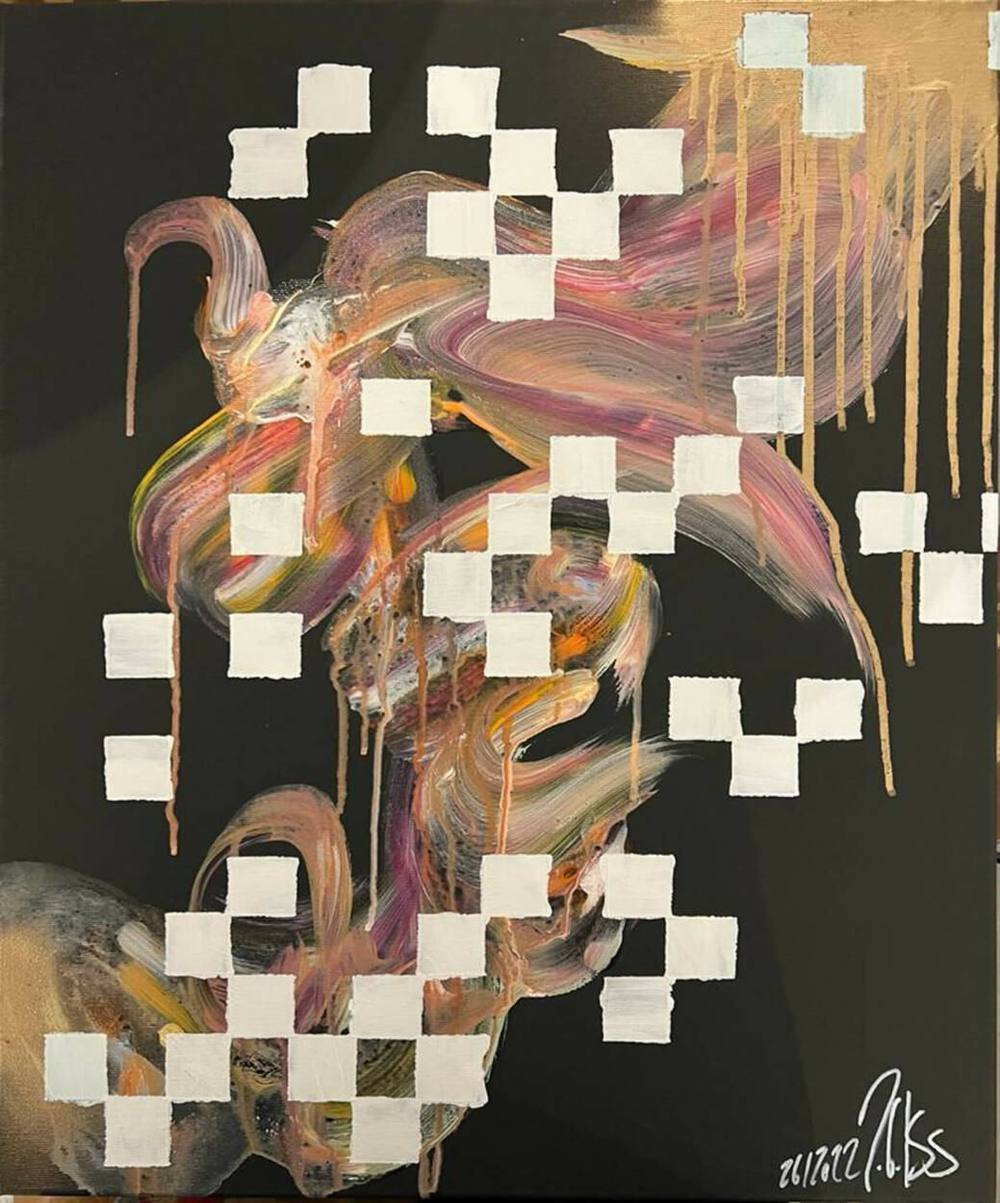
Many titles combine a number and a year, so that work and year are unambiguously linked. The catalogue on this website lists every work with its title, year, medium and dimensions, so the details on the certificate can always be checked against it. 515 | 2024 from the Fifth Season series, for instance, appears there as acrylic and gold lacquer on canvas, 150 × 200 centimetres. In 26 | 2022 from the Signature Collection, the signature at lower right is part of the composition.
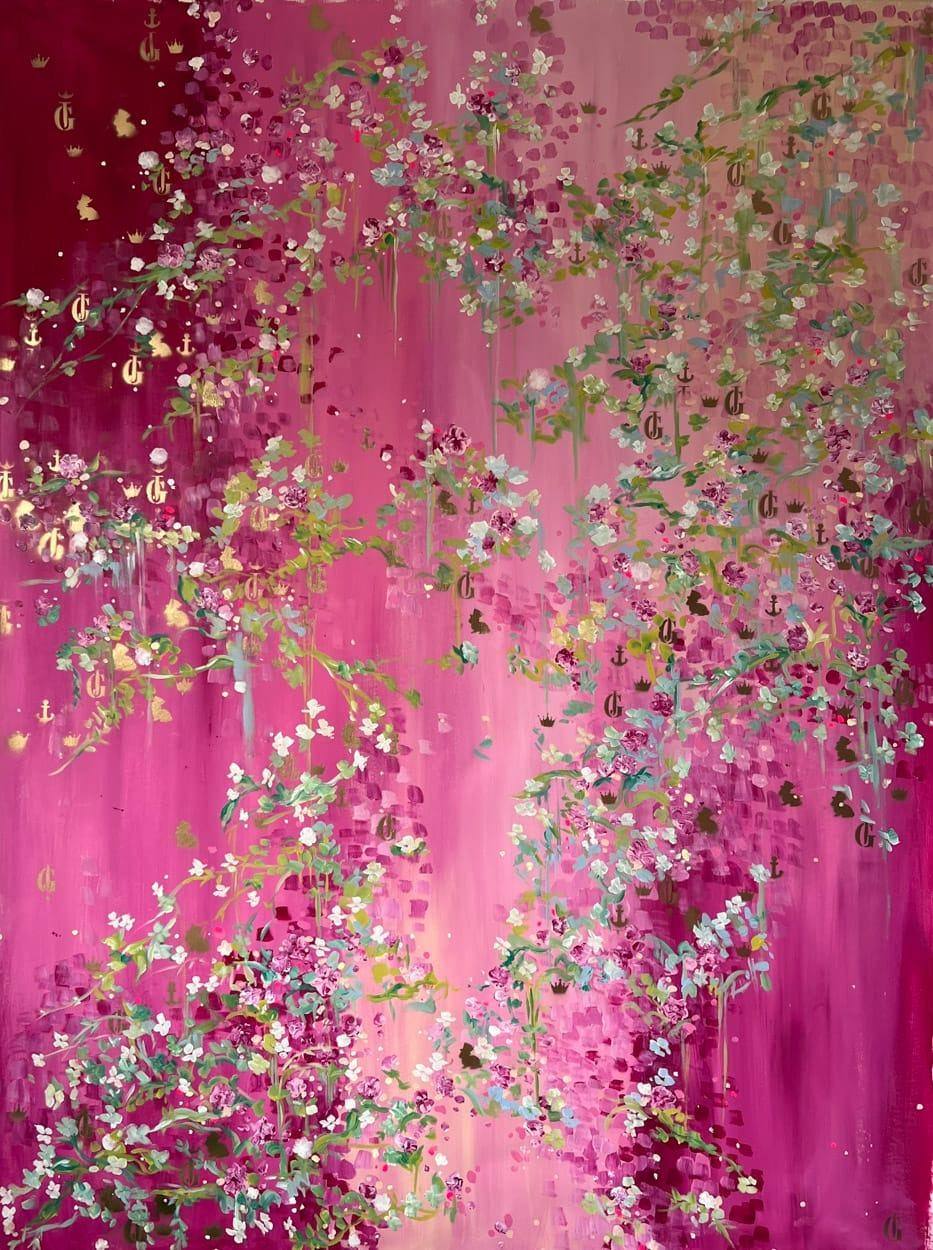
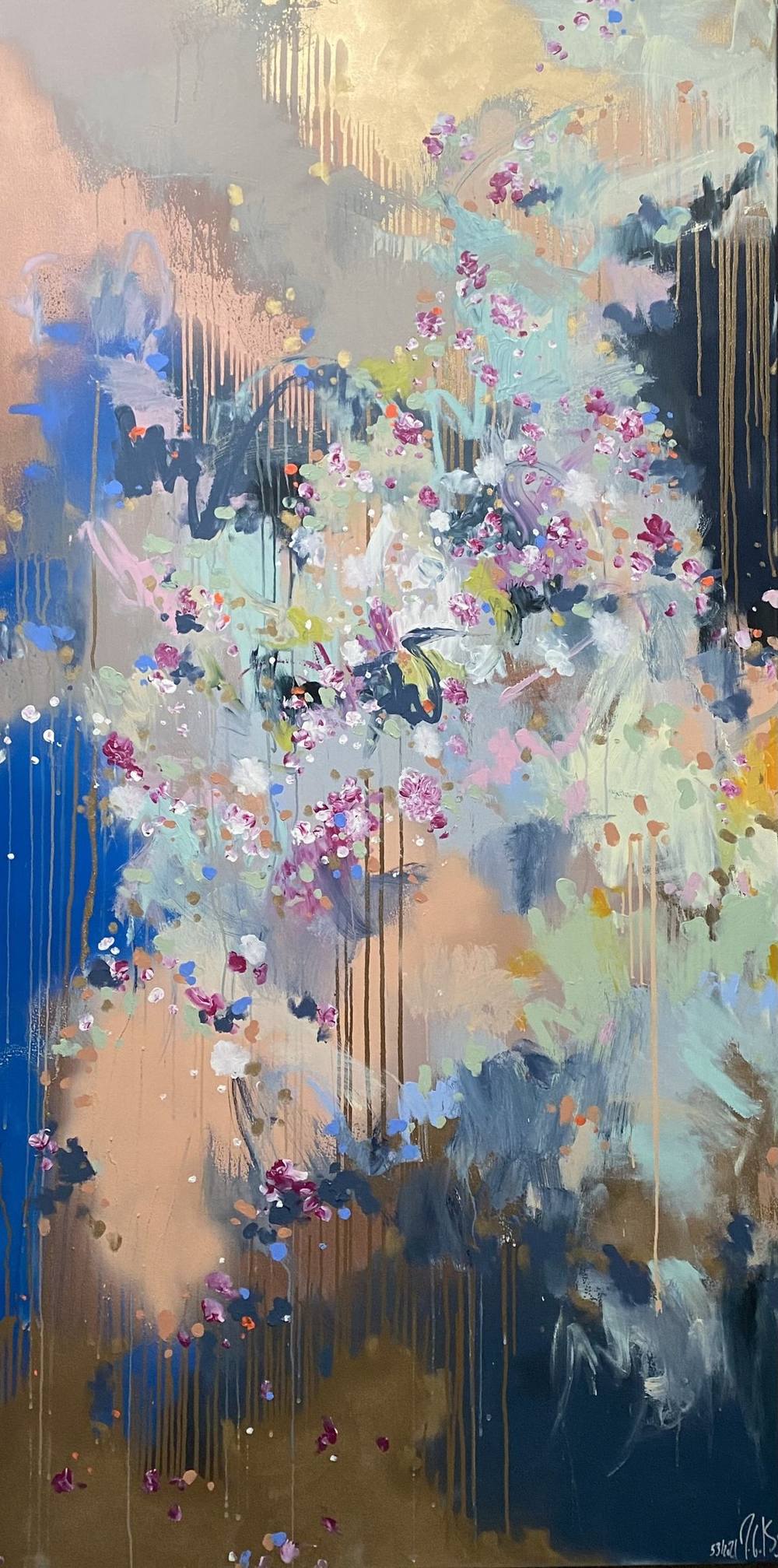
Some works show why the medium needs to be stated so precisely. In 11 | 2022 a heavy ornamented gold frame, overpainted with spray paint, is part of the work itself, and the medium accordingly ends with “on canvas over frame”. The work is no longer available. Multi-part works such as the triptych panels 53 | 2021, 54 | 2021 and 55 | 2021 each appear in the catalogue as a separate entry measuring 100 × 200 centimetres.
Keeping the documents safe
A certificate is only useful if it can be found. File the certificate, the invoice and a good photograph of the work together, and keep a digital copy in a second place. Note loans, moves and restorations with their dates. Such notes become part of the provenance themselves.
You will need these papers for insurance, for any future resale and for whoever may one day inherit the work. The guide Buying abstract art in Hamburg explains how to choose an original with confidence. How the value of an original comes about, and why the studio gives prices on request, is the subject of How much does a painting cost?. Questions about a particular work are gladly answered through the contact form.
Works from this article
Frequently asked questions
What should a certificate of authenticity for art include?
At the very least the artist's name, title, year of creation, medium and dimensions, with edition size and number for editions, plus the issuer's name, signature and contact details, the date of issue and a photograph of the work.
Does a certificate prove that a work is genuine?
Not on its own. A certificate carries only as much weight as the person or organisation that issues it. With living artists, the artist is usually the clearest source.
How do a certificate, provenance and a catalogue raisonné differ?
The certificate is a statement about the authorship of a single work. Provenance describes the history of its owners. A catalogue raisonné systematically documents all known works by an artist in a given medium.
How can the details of a work by Juliane Golbs be checked?
Every work is a hand-signed unique piece. Many titles combine a number and a year, such as 515 | 2024, and the details on the certificate can always be checked against the catalogue on the website.
Sources
8 sources
- Artlogic, Katherine Cunliffe: Certificates of Authenticity: What Galleries and Artists Need to Get Right (27 Aug 2026)
- IFAR International Foundation for Art Research: Catalogues Raisonnés Users’ Guide
- Abendzeitung München (dpa): Haftstrafen bis zu sechs Jahren für Kunstfälscher (27 Oct 2011)
- Staatliche Museen zu Berlin: Rathgen Research Laboratory experts involved in uncovering the forgeries in the Jägers collection case (10 Jan 2012)
- The Art Newspaper, Alexis Fournol: Judgment against Max Ernst expert Werner Spies overturned in appeal (9 Dec 2015)
- German Lost Art Foundation (Deutsches Zentrum Kulturgutverluste): fact sheet (2023)
- German Cultural Property Protection Act, § 42: due diligence when placing cultural property on the market
- German Cultural Property Protection Act, § 45: record-keeping and retention