Charity art auction: how an art campaign for a good cause succeeds
A painting auctioned so that research can continue. On art as a lot, on evenings that raise money and on what makes a good art campaign.
A charity auction brings together two things that rarely meet: the wish to own something special and the readiness to do good with it. Whoever bids acquires a work. Whoever wins the lot funds the work of a non-profit organisation with the purchase price. Art is especially suited to this form, because an original keeps its value long after the evening is over.
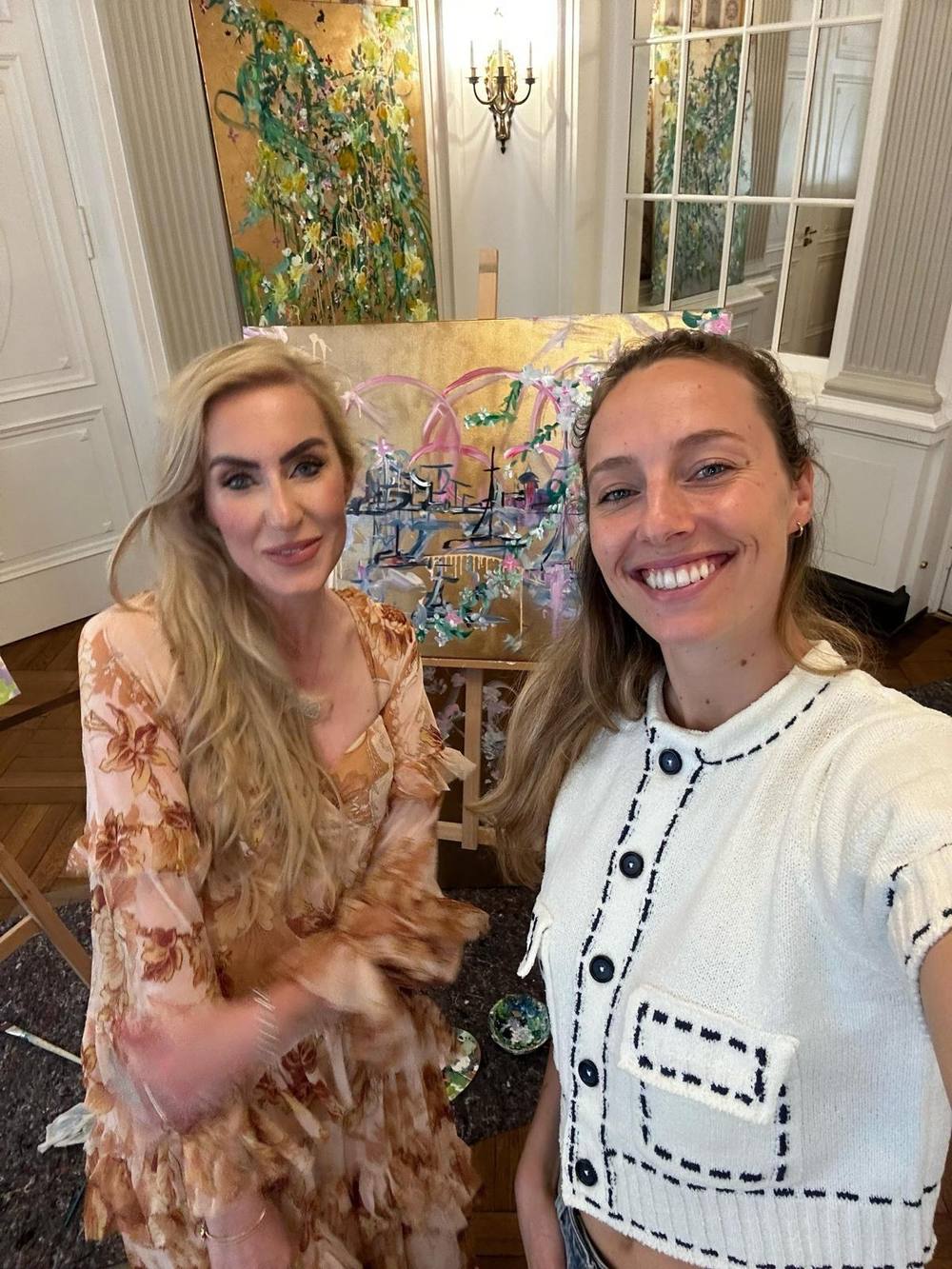
The Hamburg painter Juliane Golbs has worked with this format for years. This article describes how an art campaign for a good cause is structured, what role live painting plays and what companies, foundations and organisers should settle in advance.
What makes a charity auction
At heart, a charity auction is an ordinary auction. There is a lot, a starting bid and a hammer. The difference lies in where the proceeds go: not to the person who provides the work but to a non-profit organisation. Often the works are donated by artists, collectors or companies.
This creates its own dynamic. Bidders pay not only for the object but for the cause as well. A room that knows what it is bidding for will often raise a hand once more. That is why it pays to tell the cause clearly before the auction: who benefits, what the money makes possible, why now.
In the room or online
There are two basic forms. The room auction takes place during a gala, a concert or a reception. An auctioneer leads through the lots and the room bids by raising hands or paddles. Its strength is the atmosphere. Bids rise when people watch each other bidding.
The online auction runs on a platform, often over several days. A well-known example is United Charity, based in Baden-Baden. The platform was founded in 2009 by Dagmar and Karlheinz Kögel and describes itself as Europe’s largest charity auction portal. Online auctions reach bidders who were not in the room that evening. Many events combine both: the work is made or shown on site and auctioned online afterwards.
Live painting as a lot
A painting made during the event is a special lot. The guests have watched it grow. They know the moment the motif appeared. Whoever wins this painting takes the evening home.
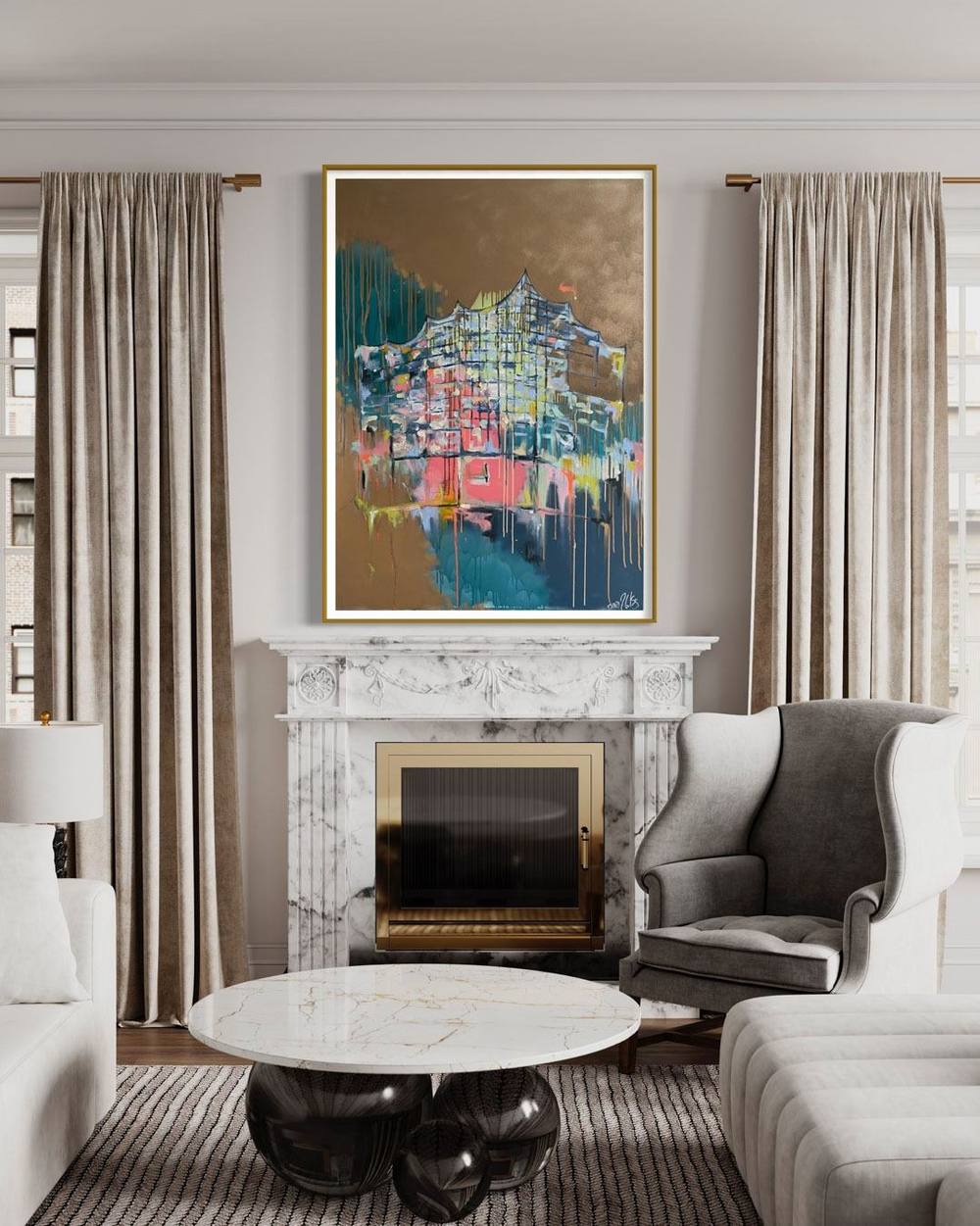
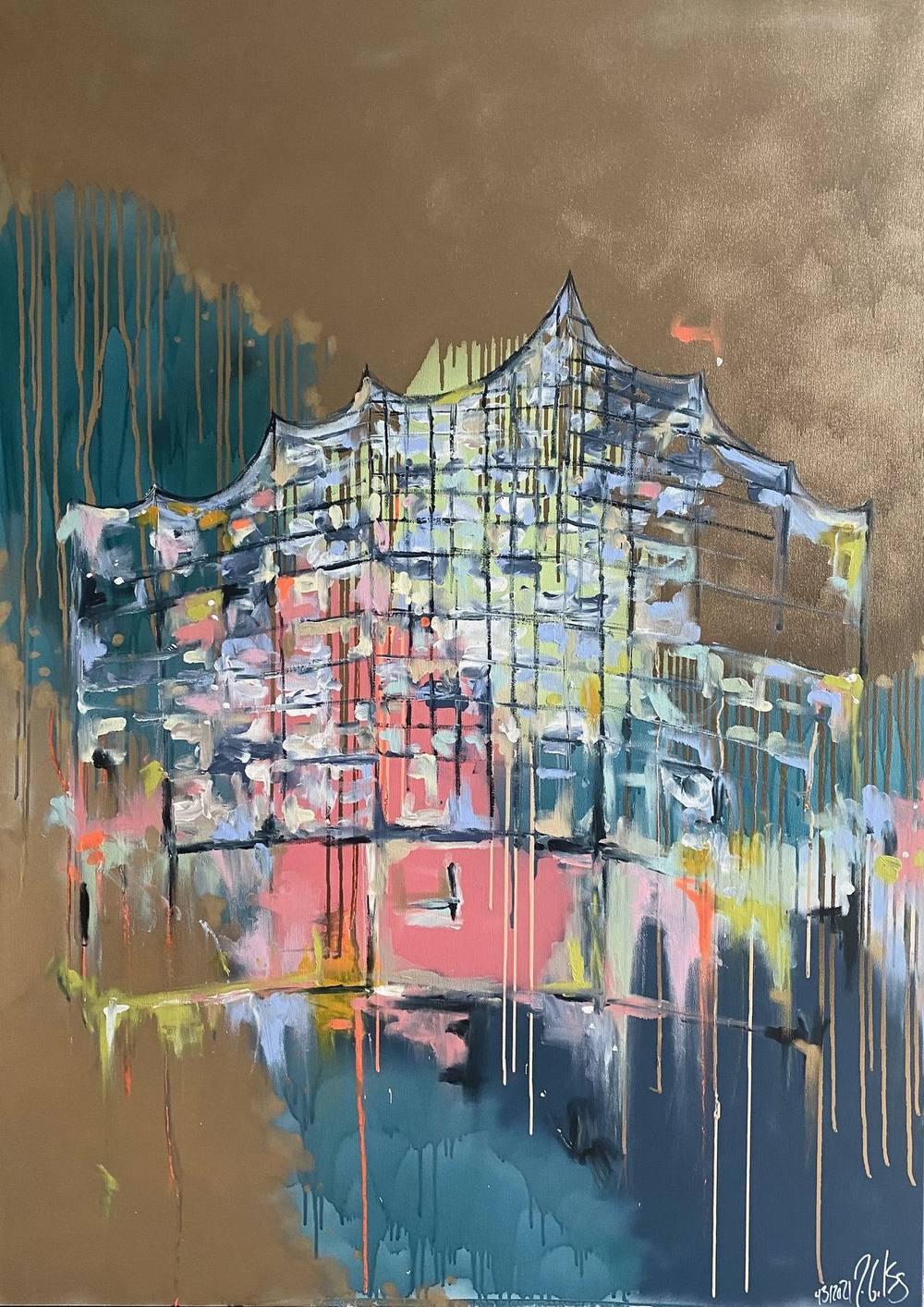
Juliane Golbs has shown this several times. At the Elbjazz Festival 2026 she painted a large-format picture of the Elbphilharmonie live in its Grand Hall to the music of Joss Stone, a unique work from the Golden Things series. The work was auctioned via United Charity for the NCL Foundation. More on how such pictures come about can be found in the article on live painting.
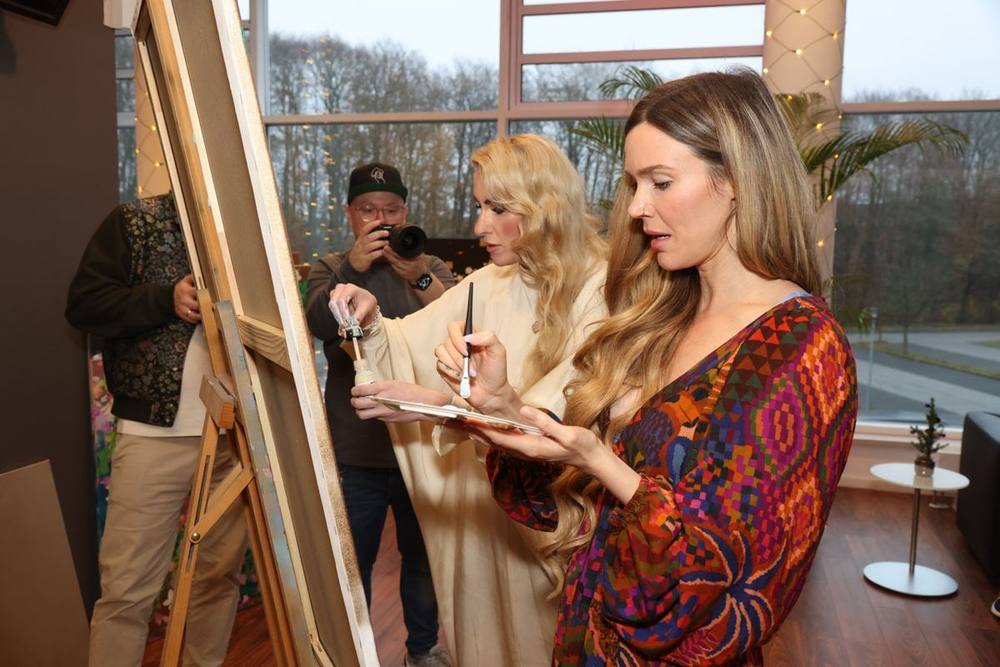
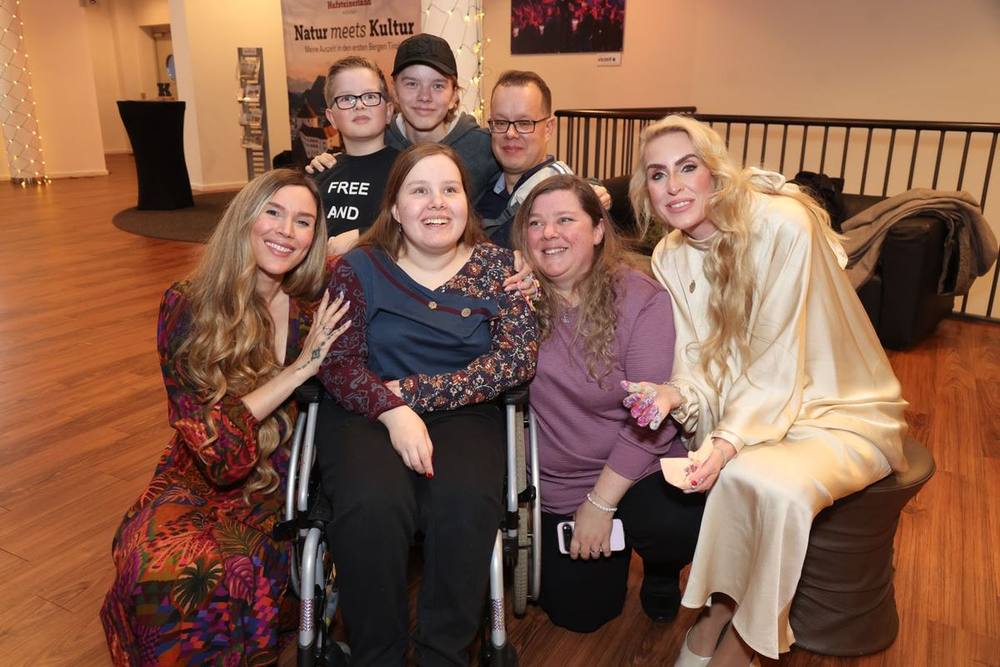
Earlier, the joint work “A Miracle We Believe In” had been made with Joss Stone, in Hamburg and in support of research into childhood dementia. A joint work with a well-known personality holds a double appeal at auction: it bears the painter’s hand and the trace of someone many bidders admire.
Examples from Hamburg and Venice
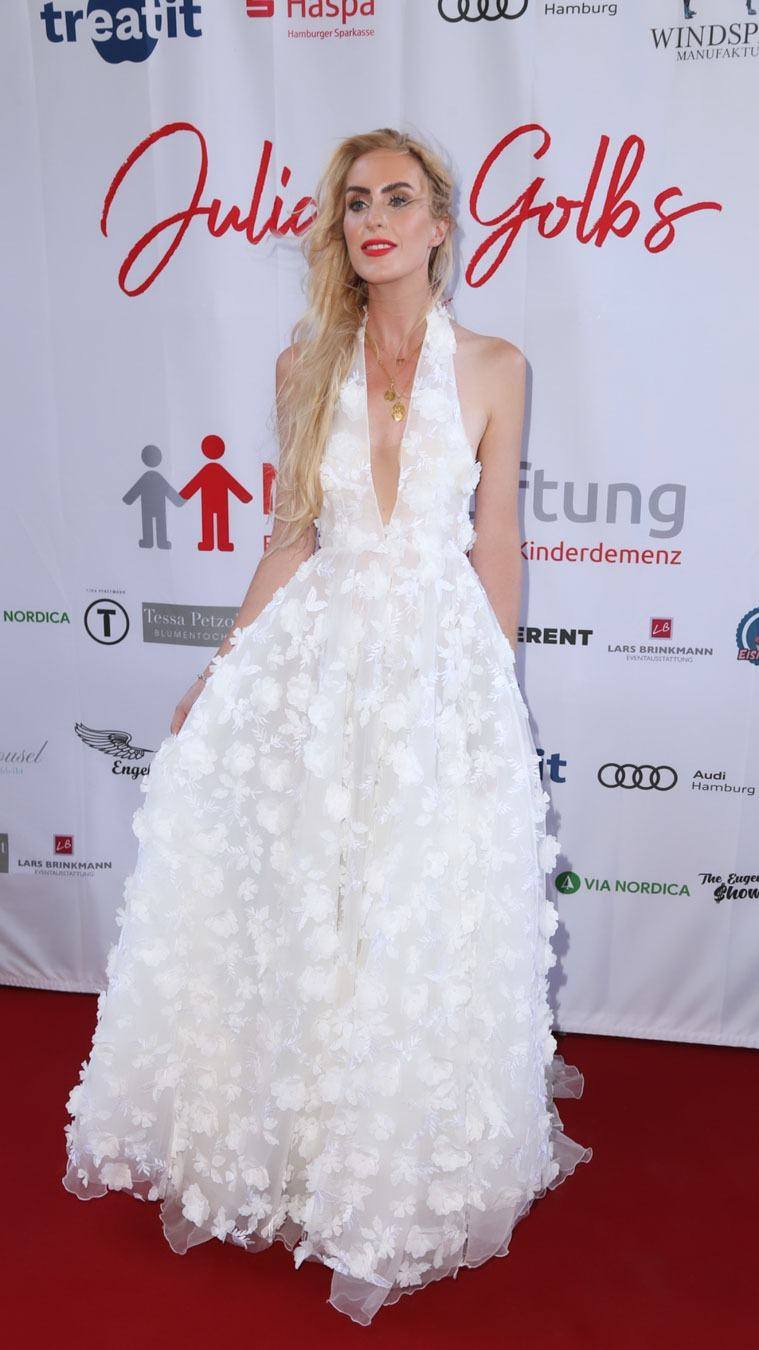
The art campaigns of Juliane Golbs follow no fixed pattern. Each finds the path that suits its occasion.
In 2025 she created the painting “Goldlinie” with the open-water swimmer Leonie Beck, a charity painting that grew out of a dialogue between painter and athlete. Endurance, holding course in open water, discipline over hours: the picture connects two worlds that at first sight have little in common.
In the same year she showed the exhibition “Goldener Kunstherbst” at the Alstertal-Einkaufszentrum to mark its 55th anniversary. The proceeds went in full to the NCL Foundation. This was not an auction but an exhibition whose sales served a cause.
In Venice, at the Venice Design Week 2025, she painted a life-size Hiding Rabbit Lamp and a couture handbag in addition to the large WERNS hare sculpture. Both unique pieces were auctioned for a good cause. The article The emblem of Venice describes those days.
What makes a good lot
Not every artwork is equally suited to an auction. A good lot has a story that can be told in two sentences. For a painting made live, that story is the evening itself, for a joint work the meeting of two people. The clearer the story, the easier it is for the room to put a price on it.
Format matters too. A large painting is impressive on stage but needs the right wall at home. Bidders usually already have in mind the place where the work will hang. It therefore helps to state dimensions, technique and series in advance, ideally with a photograph of the work in a room. Advice on choosing the right size can be found in the article on the large painting in the living room.
Finally, the presentation on the evening counts. A work that is well lit and stands free draws guests in. A short introduction by the artist or the auctioneer turns a painting into an event. Those who have been able to look at the lot calmly before the auction bid with greater conviction.
Why a foundation benefits
For a non-profit organisation the proceeds count. Yet they are not the only thing an art campaign achieves. An auction creates an occasion to talk about the cause. Guests who knew nothing of it hear about it for the first time. Press and social media report on the work and carry the organisation’s name further.
For rare diseases this matters especially. The NCL Foundation in Hamburg works against childhood dementia, a group of rare hereditary diseases that, according to the foundation, are still regarded as incurable. For such a cause, every form of attention is capital. Juliane Golbs has been an ambassador of the foundation since 2018. The article Art that carries responsibility tells how this commitment has grown.
Planning an art campaign: what to settle in advance
Companies, hotels or organisers planning a charity auction with art should decide a few points early on:
- The benefiting organisation. It should be fixed from the start and agree to the project. Its name, its cause and its logo belong in the communication.
- The format. Room auction, online auction or both. Schedule, running order and technical questions depend on it.
- The work. An existing original, a joint work with a personality or a painting made live during the event.
- The starting bid. It protects the work from being sold below value and gives the room a point of orientation.
- The tax side. Whether a bid counts wholly or partly as a donation depends on the individual case. Bidders clarify this with the benefiting organisation and their tax adviser.
- The handover. Who receives the work, when it is delivered and whether a certificate of authenticity is included should be settled before the hammer falls.
Works that carry responsibility
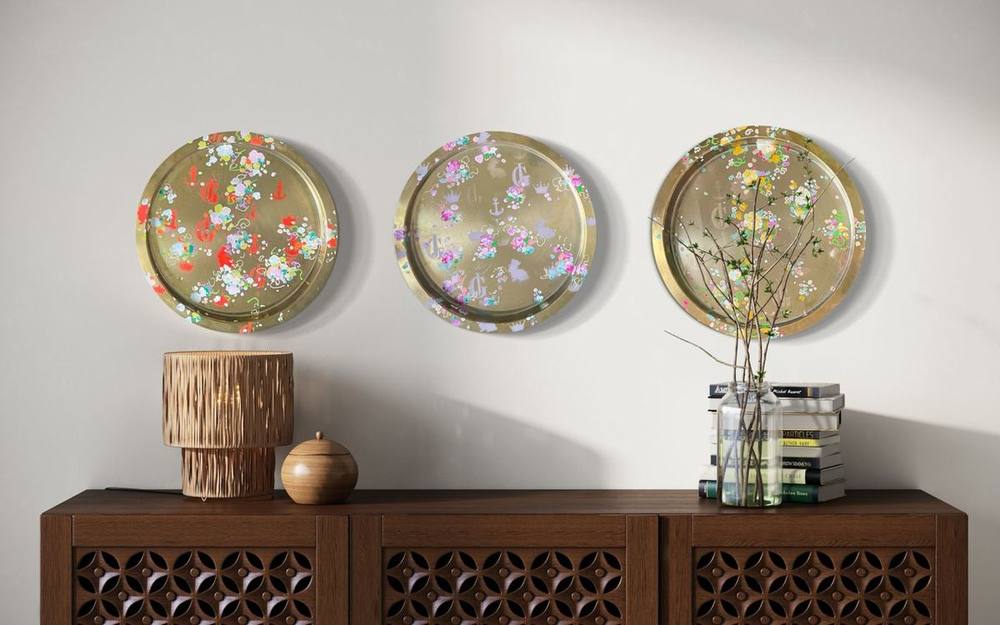
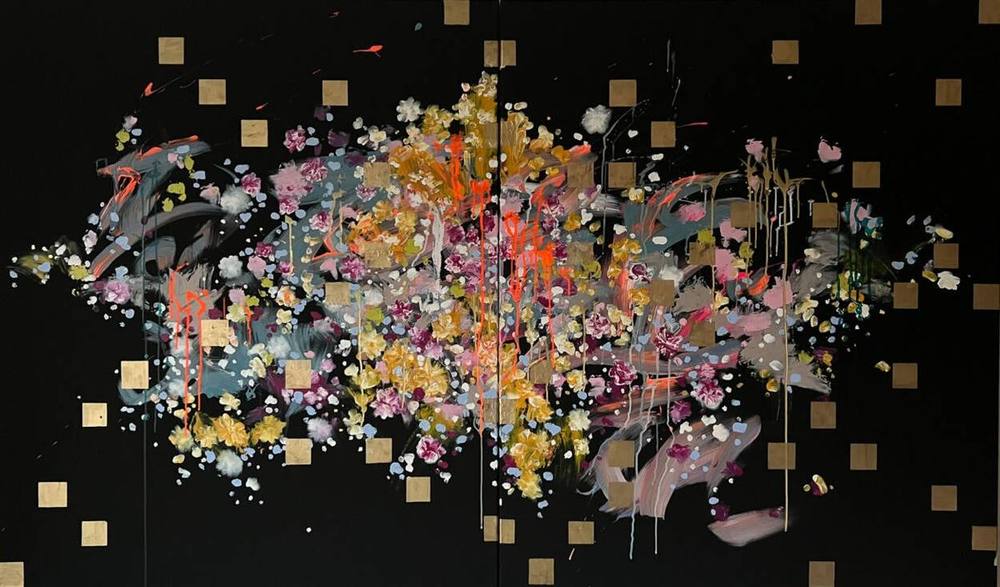
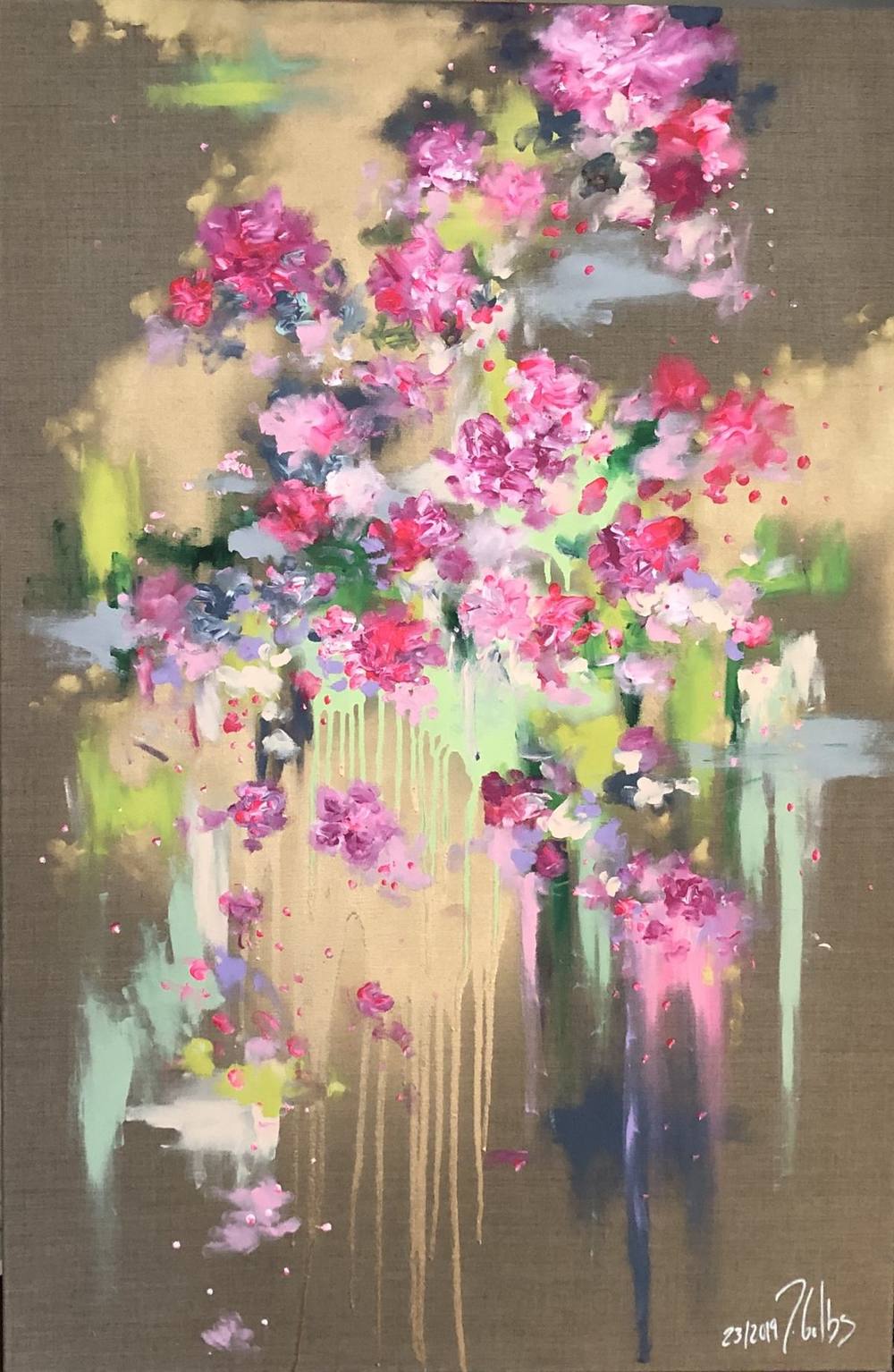
Not every form of support needs an auction. In the Everlasting Blossoms series, the commitment is built in: part of the proceeds goes to the NCL Foundation. Anyone acquiring a work from this series supports research with every purchase.
85 | 2018 combines gold with turquoise, blue and green. 23 | 2019 works with warm tones between gold, orange and pink. 02 | 2023 sets gold and orange against a dark ground. From the Golden Things series, which also includes the Elbjazz painting, 43 | 2021 shows blue and gold with turquoise and pink.
Initiating an art campaign
Companies, hotels, brands and foundations wishing to create a charity auction, an edition or an evening for a good cause together with Juliane Golbs can reach her via the contact form. For a first enquiry, occasion, date, venue and the organisation to be supported are enough. Further collaborations can be found under Dialogues.
A painting that is auctioned changes hands. What it sets in motion stays with those for whom it was painted.
Note: This text was created with the support of artificial intelligence.
Works from this article

Frequently asked questions
What is a charity auction?
An auction whose proceeds benefit a non-profit organisation. Artworks, experiences or collector’s items are sold, either in the room or via an online platform.
Why is art particularly suited to a charity auction?
An original is unique and keeps its value beyond the evening. If it was painted live in front of the bidders, it also carries the memory of that evening.
Which charity auctions has Juliane Golbs been part of?
Among others, the auction of her live-painted Elbphilharmonie picture from Elbjazz 2026 and the auction of the editions from Venice. The proceeds of her anniversary exhibition at the AEZ in 2025 went in full to the NCL Foundation.
Is an artwork bought at auction a donation?
That depends on the individual case, for instance on the relation between bid and value of the work. Whether and to what extent a donation receipt is possible is for bidders to clarify with the benefiting organisation and their tax adviser.
How can a company initiate an art campaign with Juliane Golbs?
Via the contact form with the subject Partnership. Helpful details are occasion, date, venue and the organisation to be supported.